


Popular Articles
 How Does Quinine Help Restless LegsQuinine is an old remedy for malarial fever. It is also a long-standing remedy for nightly muscle cramps. Given the similarities between restless leg syndrome and nocturnal muscle cramps, some people do take quinine for restless legs. Is quinine any good for restless legs? If so, why did the FDA strongly advise against this off-label use of quinine and what are the risks identified? Read on to find out for yourself.
What is Quinine?Quinine is a plant-derived alkaloid. Once extracted, it is available in a white crystalline form and it has a bitter taste. This alkaloid is renowned for its antimalarial properties. Other medicinal properties of quinine include its ability to reduce pain and inflammation as well as its effectiveness in relieving fever. Since its discovery in the bark of cinchona tree and its first therapeutic use as an antimalarial in the 17th century, quinine has been synthesized in the laboratory as demand for it rose during the world wars. Yet, extracting quinine from natural sources is the only economically viable means of obtaining the alkaloid. Currently, quinine has been replaced by new groups of antimalarial drugs but most of its replacements are derivatives of the alkaloid. However, quinine is still the drug of choice for severe malaria that does not respond to new antimalarial drugs. Because it is also cheap, it is the antimalarial drug of choice in the poorest parts of the world. Although it is now rarely used, quinine is still available as a prescription drug and in over-the-counter tonic solution. Besides drug-resistant malaria, quinine is still used in the treatment of lupus and arthritis. There are a few off-label uses of quinine and one of these is in the treatment of restless leg syndrome. However, the FDA (Food and Drug Administration) has since banned quinine for this use. Besides its medicinal use, quinine is also included in some beverages as a bittering agent. However, most countries set a limit to the amount of quinine that can be added to soft drinks and tonic water. The quinine included in most brands of tonic water is not obtained from cinchona bark but the bark of a related plant, remijia. Remijia bark contains 0.5 – 2% quinine and it is preferred in tonic water because it is a cheaper source of the alkaloid and has a more intense taste.
However, a condition known as cinchonism or quinism is the most popular adverse effect of quinine. Cinchonism can be caused by both therapeutic doses and overdoses of quinine. Early symptoms of cinchonism include ringing in the ear, hearing impairment, profuse sweating, blurry vision, flushed skin, headache, mental confusion, dizziness, vertigo, rash, abdominal pain, nausea, vomiting, and diarrhea. These symptoms of mild cinchonism are reversible and they disappear soon after quinine is withdrawn. In severe cases, cinchonism can cause permanent damage such as deafness, blindness, toxicity to the heart, and death. Quinine injection can also cause severe and sudden adverse reactions. Therefore, patients receiving this injection should be monitored for blood glucose levels and cardiac signs especially blood pressure and heart rhythm. Quinine and Restless LegsFor more than 100 years, physicians have prescribed quinine for benign nocturnal muscle cramps. The drug works even when other alternatives fail. Some of the clinical trials that support the use of quinine for the treatment of muscle cramp include a 1989 study published in The Western Journal of Medicine. Although this is a small study, other positive studies arrive at similar conclusions. In 1995, a review of past studies was done on the subject. The meta-analysis was published in the medical journal, BMJ and it concluded that quinine was effective but that it causes some side effects. Therefore, the researchers recommended that physicians should weigh the benefits against the potential risks when recommending quinine for benign nocturnal muscle cramps especially in the elderly. A bigger systematic review published in the Cochrane Database in 2010 reached the same conclusions. The Cochrane review agreed that quinine reduces the frequency, intensity, and duration of muscle cramps at dosages between 200 mg/day and 500 mg/day. Since muscle cramps and nightly occurrence are some of the features of restless leg syndrome, many have also used quinine to calm their restless legs. However, while benign nocturnal muscle cramp is a musculoskeletal disorder, restless leg syndrome is a neurological disorder. Still, some users find quinine effective for this off-label use even though there is no scientific evidence to back this. The two mechanisms by which quinine relieves muscle cramps and improve restless legs are:
By relaxing the muscles, quinine can reduce the odd sensations triggering restlessness in the affected limbs. And by dilating the blood vessels, quinine allows the vessels to pump more oxygen and nutrient-rich blood to muscles. This prevents cramping and muscle aches. The FDA BanIn 2006, the FDA banned the use of quinine for restless leg syndrome and strongly advised against its off-label use for this syndrome. The ban was introduced after years of warnings about the potentially lethal side effects of quinine. The FDA argues that quinine can cause
Also, quinine interferes with a long list of drugs including those used in treating cardiac disorders as well as many hereditary and autoimmune diseases. Given the breadth of these contraindications, adverse effects, and drug reactions, there should be an unusually large number of cases of complications with quinine. Currently, the FDA only allows one brand of quinine on the market. This brand is known as Qualaquin. It contains quinine sulfate and it is recommended for the treatment of untreated malaria caused by Plasmodium falciparum.
To stop this trend, the FDA mandated the manufacturers of Qualaquin to mention the risks of taking quinine for off-label uses on the drug’s label. Despite this warning, most physicians still recommend the off-label use of quinine for relieving restless legs. This is because some doctors do not believe that quinine poses a big enough risk at the doses in which it is being prescribed. Ultimately, it rests on the physician to weigh the risks and access the benefits of quinine for their patients. Self-medication with quinine should, however, be avoided especially because there are no standard doses for restless leg syndrome, and because the side effects of the drug can be life-threatening. Sourceshttp://www.nhs.uk/Conditions/Restless-leg-syndrome/Pages/Treatment.aspx http://www.ncbi.nlm.nih.gov/pubmed/7827545 http://www.ncbi.nlm.nih.gov/pubmed/2669346
[+] Show All
|
| Next Article: RLS |
 The most common side effect of quinine is hearing impairment. This impairment affects high-frequency sounds and is reversible if quinine is withdrawn immediately. Other common side effects of quinine are diarrhea, hypotension, constipation, and erectile dysfunction.
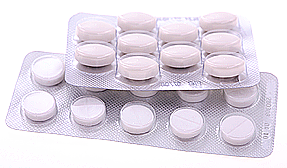 However, many still take Qualaquin to treat restless leg syndrome although this off-label use is not approved by the FDA. For example, more than two-thirds of the reports of serious side effects received by the FDA between 2005 and 2008 were from patients who took Qualaquin for restless legs or muscle cramps.