


Popular Articles
- Hair Loss Products - 25 Natural Treatments
- Advecia Supplement Facts
- Medications That May Interact with Advecia
- Review of Rogaine for Women
- 14 Vitamins for Hair Loss & Thinning Hair
- Receding Hair & Beta Sitosterol
- Biotin for Hair Loss - Should You Try it?
- 6 Amino Acids for Hair Loss
- Sugar Linked to Increased Hair Loss Risk
- Hair Loss Vitamins for Women
- More Articles ...
 THESE Deficiencies May Lead to Thinning Hair...In This Article
Are they related: Vitamin Deficiency and Hair Loss? Learn which vitamins (when deficient) can lead to hair loss.
Hair loss is embarrassing, and not always something easy to treat, but the truth of the matter is, hair loss is something that millions of people all over the world experience. There are many reasons why people can start losing hair, and one of these reasons is that they have vitamin deficiencies -- they are not getting the nutrients they need for healthy hair growth. Hair follicles need to have certain vitamins to be healthy and allow hair to grow, and without these hair loss vitamins, this just can’t happen. Vitamins
The body can produce vitamins from their precursors in food (for example, Vitamin A from beta carotene). Some other vitamins have special sites of syntheses, for example, Vitamin K is produced by the microorganisms in the gut and Vitamin D is produced in the skin through the catalysis of the ultraviolet radiation of sunlight. There are 13 recognized vitamins and each is a group of related compounds. For example, Vitamin E is a family of 8 similar tocopherols and tocotrienols while Vitamin A includes compounds belonging to the retinal, retinol, and carotenoid subgroups. Vitamins have different important functions in the body. While Vitamin C and Vitamin E are known antioxidants, the B vitamins are necessary for enzyme functioning in biochemical reactions. Each vitamin has a recommended dietary allowance which is the expected amount that we must find in our food or through a supplement. Staying below this recommended daily intake for long can easily lead to a deficiency in the vitamin. Primary and Secondary DeficienciesVitamin deficiencies are classified into 2: primary and secondary. Primary deficiency describes a situation where less than the required amount of a vitamin is obtained from the diet. Secondary deficiency describes an inability to absorb an adequate amount of a vitamin due to underlying disease state, drug interaction, or lifestyle. There are also compounds called anti-vitamins that inhibit the absorption or activity of specific vitamins. For example, avidin, a protein found in egg whites is known to reduce the absorption of biotin or Vitamin B7 while pyrimethamine competes with thiamine or Vitamin B1 since their structures are similar. These so-called anti-vitamins can also lead to vitamin deficiencies. Conditions Associated with DeficienciesEach vitamin deficiency is associated with a single debilitating condition. For example, Vitamin A deficiency is associated with night-blindness; Vitamin B1 with dry beriberi; B3 with pellagra; C with scurvy; and D with rickets.
Even before the full manifestation of certain vitamin deficiencies, specific signs can mark the progression of a vitamin deficiency. One such important sign is hair loss. Since the hair and skin are external, they provide an important early representation of systemic anomalies. When your hair starts falling off, vitamin deficiencies should be one of the first causes you consider.
DeficienciesNot only do we need to have vitamins for our overall health, but we also need to have them for the health of our hair. Many vitamin deficiencies can lead to hair loss. For instance, without enough Biotin (also referred to as vitamin H) in our diets, hair growth can be inhibited. Enough Biotin can prevent further hair loss. A lack of Pantothenic Acid, which is also known as Calcium Pantothenate can play a huge role in the health of your hair. Having plenty of this vitamin in your diet can turn grey hair back to a darker color, and even reverse hair loss. InositolInositol is a water-soluble carbohydrate that is necessary for the body to have to produce the glucose that our bodies require. Also, it is important for the body, and it is mostly in combination with vitamin B complex. The body can absorb about 99 percent of inositol, but this is rather slow. The Physical Benefits of InositolThere are many things that inositol can do for our bodies, including promoting healthy hair growth. It keeps estrogen levels properly balanced, and it can help in the prevention of breast cancer by preventing breast lumps from forming. A combination of inositol and choline produces lecithin, which is necessary for the prevention of high cholesterol. Inositol has been proven effective when given to premature babies and has been shown to reduce death and disability in premature infants. There are compounds in inositol that have qualities that are necessary for the prevention and treatment of certain cancers. Inositol can even be used to treat constipation. It has a stimulating effect, which allows for ease of bowel movements. Inositol is good for the nervous system and is being studied for treating depression, panic attacks, Alzheimer’s disease, and other nervous conditions.
How to Get Enough InositolThe body naturally produces inositol, but if you are not getting enough, there are other ways to make sure that you do.
These are just a few of the foods you can eat that are loaded with inositol and other nutrients that will help to promote healthy hair growth. When you do not have enough inositol, not only are you risking having unhealthy hair and even hair loss, you could also be at risk for developing such conditions as eczema, eye problems, high cholesterol, and constipation. To make this nutrient even more effective, it should be used in combination with choline and vitamin B complex. It is important to remember that just like any other treatment for hair loss, you must use caution when taking inositol. If you are going to use supplements, you need to know how much of the nutrient your body needs, and this is something that your physician can help you with. If you are not getting enough inositol, it could lead to various health issues, including anxiety and depression disorders, diabetic issues, and hair loss. Too much inositol can irritate the stomach and lead to nausea and vomiting. Those who have chronic renal failure and women who are pregnant should only take inositol under the supervision of a physician. It has not been medically proven to work, but the evidence does show that if you have hair loss, using inositol can help. IronIron deficiency is clinically referred to as hypoferremia or sideropenia. Because of the importance of iron to cell metabolism and oxygen transport as well as its strict regulation by the body, iron deficiency is the most common nutritional deficiency in humans. It leads to anemia and majorly affects children and women before the onset of menopause. Iron deficiency occurs when the daily iron loss is not balanced by the daily iron intake. When this state persists over time, it develops into anemia.
Before iron deficiency results in anemia, there are often warning signs of iron deficiency. Common symptoms of hypoferremia include hair loss, brittle nails, irritability, fatigue, and an impaired immune system. Causes of Iron DeficiencyWhen we think about hair loss, the first thing that often comes to mind is men, but this is common in many women too, and there are many reasons for this. One reason why a lot of women experience hair loss could be because they are not getting enough iron in their diets, and it is has been discovered that there is a definite link between iron and hair loss. This is most common with women who are non-menopausal, between the ages of 35 and 50. There are various reasons why a woman may not have enough iron. One of the most common reasons is blood loss, and there are three reasons why blood loss can lead to an iron deficiency:
A lack of iron and hair loss are certainly connected. These are just three of the reasons why a woman may end up with iron deficiency and hair loss, but there are many other reasons why this can happen. This is not something that is limited to women, and many men suffer from hair loss due to an iron deficiency. Many people who take certain medications, including those that reduce stomach acids, end up with other health issues, including iron deficiencies.
Some foods can decrease the absorption of iron into the bloodstream, such as coffee, tea, soybeans, and various other foods. Supplementing the diet with vitamin C can help the body absorb iron. It is wise to eat foods that are high in iron, including lean red meat, dried fruit, and broccoli. Iron and Hair LossStudies have shown that women just experiencing thinning hair almost always have an iron deficiency. However, the strong link between hair loss and low levels of iron is not exclusive to women. Men who are on restricted diets or whose lifestyles involve repeated blood loss can also experience alopecia. While not all findings establish a firm link between hair loss and iron levels, experts all agree that iron deficiency contributes significantly to other causes of hair loss. Doctors at the University of Pennsylvania Hair and Scalp Clinic showed that replenishing the iron stores of balding patients increased the chances of hair growth in most people and stopped hair loss in every patient. Still, it is wrong to quickly assume iron supplementation is the universal answer to hair loss of all origins. Balding patients who take iron supplements even though they have normal levels of the mineral are likely to develop iron overload. Hair loss caused by iron deficiency starts with a slow but accelerating decline in scalp hair density. This hair loss is caused by an increased production of dihydrotestosterone (DHT) which is known to inhibit the development of hair follicles. When the iron levels in the cells fall, the mitochondria are forced to compensate for declining energy-giving ATP (adenosine triphosphate) production with the alternative, testosterone. More testosterone invariably leads to more DHT. Treating Iron-Related Hair LossLuckily, even though iron and hair loss do seem to go together, there are ways that this problem can be dealt with and treated.
Without enough iron, hair loss can follow, so everyone must get the amount of iron their bodies need. Hair loss vitamins can help. The recommended daily allowance of iron for women is 15 mg, and 18 mg for men. As you can see, there are a variety of reasons why both men and women experience hair loss. Making sure you get plenty of iron can reduce the risk of hair loss and keep you from developing other health problems, including anemia. Iron supplements should not be taken by people sick with a fever or bacterial infections and also not by those who just underwent surgery. This is important because even though plasma levels of iron are reduced during this time, it is a mechanism through which the body starves bacteria of the iron they need to thrive. Since iron is essential to bacterial growth, iron supplementation would only increase the risk of infection. Folic AcidFolic acid is especially important to the development of infants and fetuses. Adults rarely show a deficiency in folic acid because it is stored in considerable amounts in the body. Still, where it presents, folic acid deficiency leads to serious health complications. Milder symptoms of folic acid deficiency include diarrhea, irritability, headaches, irregular heartbeats, and swollen tongue. More serious signs of the deficiency are fetal defects and other complications during pregnancy, anemia, nerve damage, loss of cognitive functions, mental confusion, and depression. Dietary Sources of Folic AcidFoods with high folic acid content include leafy vegetables such as spinach and turnips; legumes such as peas and beans; egg yolks; yeast; liver and kidney. Folic acid can also be found in moderate amounts in these fruits: orange, grapefruit, banana, cantaloupe, pineapple, and strawberry. Furthermore, certain packaged food items such as pasta, bread, and cereals are fortified with folic acid. These fortified foods and folic acid supplements are the most important source of the vitamin for most people. This is because the folic acid found in natural food sources is often lost during food preparation since the vitamin is destroyed by heat and ultraviolet light, and is also soluble in water.
Folic Acid and Hair LossFolic acid deficiency can lead to hair loss because it is one of the many signs of a poor diet. When the body’s store of folic acid is low, essential cellular processes decline and this leads to cell death, tissue damage, organ failure, and loss of bodily functions. Studies already show that as the level of folic acid in the body falls, red blood cells lose their forms. This is mainly due to the disruption in DNA synthesis and protein-coding. When the red blood cells are improperly formed, they cannot carry their full capacities of oxygen to other cells that need it for metabolism. The cells of the hair follicles are affected in this way. When the number of malformed red blood cells increases, a form of anemia, macrocytic anemia, results. Therefore, the cells of the hair follicles are affected in two ways. First, the decline in cell metabolism means that these cells cannot keep up the rate of hair production. Hair follicle cell division and growth are reduced especially when the cells are not adequately suffused with oxygen and nutrients. Not only the hair strands but also the scalp is affected. Other cells such as papilla and oil-secreting cells will also be affected. This leads to a fall in the production of new hairs, graying hair as well as a sharp rise in the number of hair strands falling off. Secondly, the anemia caused by folic acid deficiency is closely related to the one caused by iron deficiency. This means that the cells will turn to alternative sources of energy when the nutrients and oxygen for the production of ATP (adenosine triphosphate) are diminished. One of these alternative energy sources is testosterone. The increased production of testosterone is an associated rise in its conversion to DHT (dihydrotestosterone) which is known to cause androgen-related hair loss. Therefore, folic acid deficiency starts a series of interrelated adverse effects which leads to hair loss. ZincWe need to have zinc for several reasons, including for healthy hair. Zinc is necessary for the production of sebum, which is the natural oil produced by the scalp and is necessary for healthy hair. How Zinc Prevents Hair LossTo understand how zinc prevents hair loss, it is important to know how zinc deficiency can lead to hair loss. One theory established that zinc deficiency leads to changes in the protein structure of hair follicles leading to weakening of their structural integrity. This means new hairs will fall off quicker than they should. The importance of zinc to hair regrowth has been confirmed in lab rats. Furthermore, there are recorded cases of people whose hair changed back from dull, aging gray to their original colors when placed on diets rich in zinc. Another study puts the importance of zinc to hair regrowth on the mineral’s crucial role in DNA and RNA production. This is a requirement for the efficient division of follicle cells leading to an improved anagen stage of the hair growth cycle. Also, the effectiveness of zinc in reversing hair loss due to negative enzymatic reactions has been demonstrated in the topical application of the mineral. A Fine Line to WalkIt is very important to make sure that you are getting the right amount of zinc, and not to have too much or too little. There is another theory that having a zinc deficiency can lead to Tumor Necrosis Factor-alpha (TNF-a). This is a chemical messenger that causes the immune system to cause damage to healthy tissues in the body. This includes hair, and it can cause hair loss. Too much zinc can lead to health issues, as well as not enough zinc. One of these issues is a deficiency in other minerals our bodies need, including copper, magnesium, and iron, which can lead to hair loss. Those who take high doses of zinc supplements can experience a lack of anagen development, which causes hair loss, but at the same time, one form of zinc treatment can encourage hair growth. It is a fine line to walk. Not having enough of certain minerals, including copper and other hair loss vitamins, can keep new blood vessels from being created, which in turn can inhibit hair growth and cause damage to the scalp. Having too little zinc can cause damage, and having too much zinc can also cause damage. The best thing to do is to just make sure that you are getting the recommended daily amount of zinc, which should be adequate. Sources of ZincThere are many ways that you can get enough zinc in your diet without having to rely on supplements, so you can be sure that you are not getting too much or too little of the mineral. There are all kinds of delicious foods that contain zinc, including:
These are just a few of the foods that are rich in zinc, as well as many of the other nutrients our bodies need. Sometimes hair loss is inevitable. However, if it is caused by something in your diet, there are steps you can take. One of these steps is to make sure that you are getting enough zinc in your diet. Zinc SupplementationZinc supplementation is important because even though dietary sources of zinc are common in most people’s diets, only 30% of the zinc present is absorbed.
However, to prevent excessive zinc intake, zinc supplementation should not be taken at this upper limit for longer than 2 – 3 weeks. Since zinc reduces the amount of copper in the body, the recommendation is to take a little copper supplement alongside. Also, zinc supplementation is often paired with selenium supplementation because the latter is a known antioxidant that protects pathways known to promote hair growth. On the other hand, zinc reduces the absorption of calcium and vice versa. For this reason, Zinc supplements formulated with calcium should be avoided. Similarly, zinc should not be taken with foods such as milk or cheese with high content calcium. It should not be taken alongside fibrous food too since dietary fiber binds minerals and prevent their absorption. Lean meat, on the other hand, as well as shellfish, fish, and eggs, improves the absorption of zinc. Zinc supplements come in many forms: sulfate, acetate, gluconate, aspartate, alginate, citrate, picolinate, and monomethionine (ZMA; also containing magnesium aspartate and vitamin B6 to promote absorption and address any attendant magnesium and iron deficiencies). The amino acid chelates of zinc provide the best absorption of its supplements. Please consult your physician before starting on zinc supplements as the mineral can affect the absorption and bioavailability of some antibiotics and blood pressure medications. Vitamin BIt is possible to develop a deficiency for each of the B vitamins. This happens when they are not adequately supplied in the diet or when their absorptions are hindered. A deficiency of Vitamin B1 results in beriberi; without Vitamin B2 several symptoms including dry skin, inflammation of mucosal membranes, and dermatitis results; Vitamin B3 deficiency presents as pellagra, dermatitis, and mental confusion. Vitamin B5 deficiency is uncommon but when it occurs, it results in acne, itching, tingling skin and loss of sensation in the fingers and toes; Vitamin B6 deficiency results in anemia, hypertension, and dermatitis; Vitamin B7 deficiency is rarely seen in adults but in children, it can impair growth and cause nerve damage. Both Vitamin B9 and B12 deficiencies result in anemia and elevated homocysteine levels. They may also lead to neurological damages. Dietary sources of B vitamins include plants and animals. The only exception is Vitamin B12 which is only present in animal products. Meat including fish, meat products, and animal liver are good sources of the B vitamins. They can also be found in large quantities in molasses, yeast, beans, whole grains, chili pepper, bananas, and potatoes. While there are supplements of B vitamins formulated singly, with other B vitamins as Vitamin B complex and with other vitamins as multivitamin preparations, unwarranted Vitamin B supplementation should be avoided. This is because after absorbing what it can use, the body simply eliminates any excess Vitamin B. Vitamin B supplements are especially recommended for the aged and those undergoing stressful activities. Vitamin B9 is a solid recommendation for pregnant women since a deficiency in the vitamin especially early in embryo development can lead to birth defects. B vitamin supplements should be considered in the treatment of hair loss especially when the alopecia is due to vitamin deficiency. For balding people who smoke or drink considerably, this is most likely the cause of their hair loss. Still, other people experiencing thinning hair should consult their doctors to know if they are deficient in any of the B vitamins. Considering the number of biochemical processes dependent on the B vitamins, it is clear that Vitamin B supplements can promote hair growth and stop hair loss. They especially nourish cells of the hair follicles. Some of the B vitamins known to help reverse hair loss include Vitamin B3, B5, B6, and B12. Similarly, deficiencies in Vitamin B1, B2, B3, and B5 cause hair loss which can be stopped with adequate supplementation. In treating hair loss, the B vitamins deliver great results when they are paired with Zinc. Together, zinc and B vitamins may inhibit the production of dihydrotestosterone (DHT). DHT is synthesized from testosterone and is regarded as the main cause of androgen-dependent alopecia. It causes the rapid decline of hair follicle cells both in number and activity. Therefore, immediate supplementation with B vitamins is needed to quickly reverse hair loss due to DHT.
Vitamin DVitamin D deficiency or hypovitaminosis D leads to improper mineralization of the bones. This means that minerals essential to bone health such as calcium are lost instead of gained. Therefore, the bones become soft and fragile. The two most common manifestations of this are osteomalacia in adults and rickets in children. Vitamin D deficiency is also implicated in other diseases such as rheumatoid arthritis, juvenile diabetes, multiple sclerosis, Parkinson’s disease, Alzheimer’s disease, and some cancers. A 2010 study published in Dermatology Online Journal established that low levels of Vitamin D lead to inhibited hair follicle growth cycles. Vitamin D, VDR and Hair LossThe link between Vitamin D and hair loss follows from the fact that Vitamin D Receptors (VDRs) contribute to hair follicle growth cycles. Studies showed that in mice, and later in humans, mutated Vitamin D receptors always produce hair loss in subjects. Where the Vitamin D receptors are inactive, and Vitamin D cannot properly bind to them, alopecia or hair loss always presents in the individual. Even though this results in Vitamin D deficiency, merely dosing with Vitamin D did not reverse the hair loss in mice. This might be because the mutated receptors cannot produce the proper effect even when more Vitamin D is available. Of course, the effect has not been studied in humans, and it may be possible for Vitamin D supplementation to reverse hair loss even in individuals with mutated VDRs. Another study, however, established the positive effects of Vitamin D analogs in reversing hair loss due to mutated VDRs. These Vitamin D analogs acted on keratinocytes to stimulate new hair growth in mice. Keratinocytes were identified as the cells causing the defective mutated VDRs. Furthermore, Vitamin D supplementation was found to stimulate hair growth in chemotherapy patients who have experienced hair loss due to their treatment. While further studies are required to firmly establish the benefits of Vitamin D in reversing hair loss, positive outcomes from such preliminary studies and testimonials from people treating their alopecia with the vitamin are strong arguments in favor of the sunshine vitamin. Too Much of a Good Thing?Vitamin D deficiencies can cause health problems that include or can lead to hair loss, but getting too much vitamin D can have adverse effects. This is especially true for those who continue to take higher than recommended doses over a prolonged period. Excess amounts of vitamin D stay stored in the liver and become toxic. Some other things to keep in mind for pros and cons include:
While some people are under the impression that there is no connection between vitamin D and hair loss, recent research has shown that vitamin D stimulates hair follicles which leads to increase hair growth. Other Nutrients You Need
For instance, essential fatty acids, which can be found in flaxseed oil, salmon oil, and primrose oil, will help to improve the texture of your hair and keep it from becoming brittle. Kelp has minerals that help to promote hair growth. When your diet includes all of the vitamins and other nutrients you need for your overall good health, you can be guaranteed that you will also have healthier hair, and you can prevent hair loss. |
||||||||||||||||||||||||||||||||
| Next Article: 5 Hair Loss Forums & Websites |
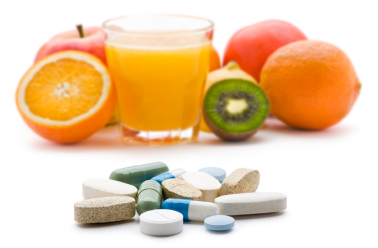 A vitamin is an organic compound necessary for the proper biochemical functioning of an organism in very small amounts even though it cannot be produced in a sufficient amount in the organism and has to be taken from diets and supplements.
 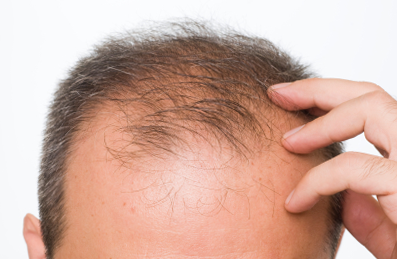 However, vitamin deficiencies seldom lead to such single ailments. Each vitamin deficiency produces a disease complex that can be detected by certain early signs.
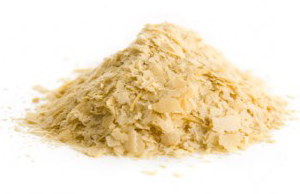 Many healthy and delicious foods have this nutrient. These foods include certain organ meat, many vegetables, nuts, wheat germ, bananas, unrefined molasses, raisins, brown rice, brewers yeast, and oat flakes.
 Apart from inadequate iron intake, other major causes of iron deficiency include blood loss (blood donation as well as internal, menstrual and wound bleeding), diseases, and syndromes that reduce the amount of iron absorbed in the gastrointestinal tract, and drugs or foods that interfere with iron absorption.
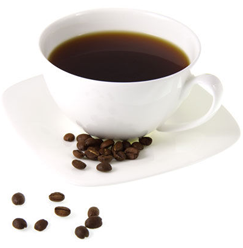 Even certain health issues, including chronic diarrhea, can lead to a loss of iron.
 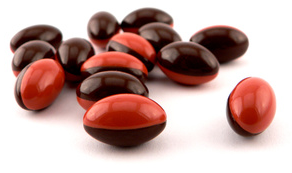 One of the best ways to stop hair loss or avoid it altogether is to make sure that the diet includes plenty of foods that are high in iron, or at the very least, take an iron supplement.
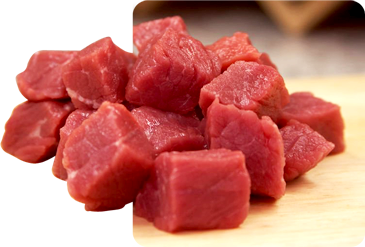 Red meats
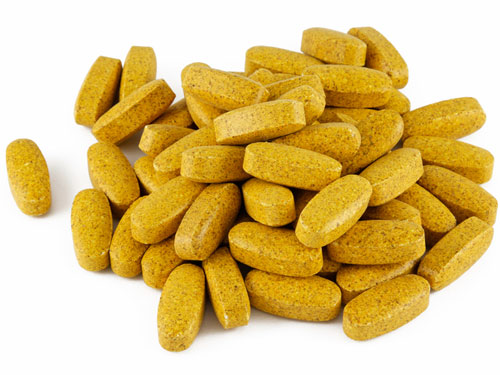 The recommended daily intake of zinc is 8 – 11 mg but the recommended daily dose of the mineral is 15 mg delivered as a chelate. While the recommended doses are put on the safe side of treatment, some hair loss experts advocate an upper limit of 25 mg.
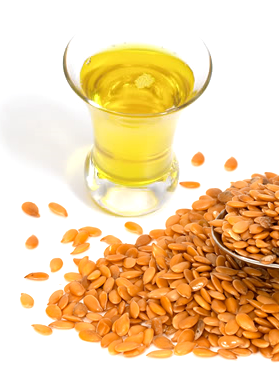 In addition to vitamins, there are many other nutrients you should have in your diet to promote healthy hair growth.