


Popular Articles
- Thyax Supplement Facts
- Try THESE Instead of Synthroid
- T3 - Weight Loss
- Thyroid Health - Natural Ways to Boost an Underactive Thyroid
- Armour Thyroid Review: Drug for Underactive Thyroid
- Low T3 and T4 Levels? Boost it: Heres How...
- Thyroid Health | The Best Vitamins for Hypothyroidism
- Ginger and Weight Loss
- Best Weight Loss Supplements for Men and Women
- TSH Range - Understanding Your Thyroid Test Results
- More Articles ...
 The Best Supplements for HypothyroidismIn This Article
Hypothyroidism is a common thyroid disorder and it is one of the diseases in which natural supplements are widely recommended. The supplements that can improve thyroid functioning include vitamins, minerals, herbs, omega-3 fatty acids and amino acids. These natural supplements for thyroid are effective and well tolerated but how do they improve thyroid functioning? Read on to find out.
If you have a sluggish thyroid, you may be wondering if there are any natural supplements for thyroid that can help improve your symptoms and boost the effectiveness of your thyroid. Read on to learn more about the best natural supplements for thyroid health. Natural Supplements for ThyroidThese natural thyroid supplements can boost thyroid function and may make it easier to increase the efficiency of the thyroid and metabolism and reverse a sluggish thyroid. IodineIodine is the classic remedy for hypothyroidism and there is a reason for that. Iodine is one of the two ingredients needed by the thyroid gland to synthesize thyroid hormones. Iodine is an important ingredient for proper Thyroid function. The Thyroid gland requires Iodine in the system to make the hormones necessary for the production of the two hormones that regulate metabolism and body temperature control. Iodine is a useful natural substance to treat Hypothyroidism. It increases the hormones that are needed for proper metabolic function. Iodine is also used to treat extreme cases of Hyperthyroidism, also known as Thyrotoxicosis; the condition where you cannot regulate your body temperature and are sensitive to cold or hot weather. Iodine Thyroid Treatment: MedicationsYour doctor may prescribe iodine tablets, or use radioactive Iodine to trigger a reaction in the Thyroid gland. You may also be put on a diet high in natural Iodine, or directed to take Natural Iodine Supplements. However, radioactive Iodine-131 has several potentially harmful side effects such as causing birth defects or infertility. It should never be used in women who are pregnant or breastfeeding. It is important when taking any iodine medication or supplement for thyroid conditions to guard possible extra iodine from other sources such as Thyroid Medications, Foods, and even cough syrups. Using a Hypothyroid remedy has many benefits. It is less likely to cause Thyroid switch and does not have the same harmful side effects as radioactive Iodine-131. It is still important to pay attention to additional Iodine intake even when using lesser strength Iodine supplements. However, Iodine supplements are a great way to Boost a sluggish Thyroid. Can I Use Iodine Supplements too?In most cases yes, you can take Iodine supplements along with other treatments for Thyroid conditions or other illnesses. Iodine supplements are natural and merely replace needed nutrients that the body needs to work efficiently. However, it is always a good idea to discuss additional therapies, even natural supplements, when under treatment for Thyroid or any other condition. Iodine Thyroid Treatment: Supplements and Foods That HelpIf you suspect a Thyroid condition is causing your symptoms there are foods and supplements you can use to try and regulate them. Care should be taken when self-treating a condition such as Thyroid problems because Thyroid disease is a condition of opposites, and Hyperthyroidism can switch to Hypothyroidism swiftly. If you suspect Hypothyroidism due to a sluggish metabolism and weight gain or difficulty losing weight, carefully avoid foods such as broccoli, brussels sprouts, cabbage, spinach, soy, mustard greens, beans, cauliflower, and turnips. More foods to avoid for hypothyroidism include refined wheat, sugar, dairy products, alcohol, and caffeine. Supplements for Hypothyroidism: bromelain, vitamin c, vitamin e, calcium, and iron. The most popular herbs for treating hyperthyroidism are:
The most popular for hypothyroidism are:
Some important supplements for any form of Thyroid condition include Omega-3 fatty acids and l-Tyrosine. Iodine Thyroid TreatmentSince many Thyroid conditions are aggravated and sometimes caused entirely by an Iodine deficiency in the diet, adding naturally Iodine rich foods can greatly decrease Thyroid condition symptoms. Along with supplements, you can eat foods naturally high in Iodine such as:
Studies on Iodine & Thyroid Conditionsthere are some warnings in most of the research into iodine and Thyroid Treatment. The biggest concern is that using too much Iodine can result in the reverse condition, Hypothyroidism. A lack of iodine in the system causing thyroid conditions can also be caused by cigarette smoking. before deciding your thyroid activity is caused by a general lack of iodine, quit smoking to see if the levels increase. In the medical community, radioactive Iodine has been used for decades with great results. Over-the-counter Iodine supplements are not as heavily regulated as prescription medicines and some conservative medical studies worry that the quality won’t be as effective, and the quantity in each dose may be less stable. However, since the amounts of Iodine in over-the-counter supplements are so low, it is hard to overdo their use unless there is a great level of additional Iodine from medications in the system. Iodine supplements rely on several combinations of natural substances, including Iodine, to effectively treat thyroid problems. Studies are clear on the effects that iodine has on Thyroid conditions. It is a powerful tool that is easy to find in natural resources and holistic supplements. Facts about iodine supplements
Tests for Thyroid ConditionsBefore you begin any treatment for Thyroid problems you need to know what type of condition you have. Guessing is not wise, even if you recognize symptoms of a particular type of thyroid problem such as difficulty losing weight from Hypothyroidism. If you have any questions as to the presence or type of Thyroid condition you have, make sure you seek the advice of your physician. Along with a physical exam that includes feeling the thyroid region of your neck there are three types of blood tests that your medical provider can use to test for a Thyroid problem. Symptoms to Watch During Treatment For a Thyroid ConditionConsult your doctor immediately if you see any of the following symptoms during either prescription or homeopathic Thyroid treatment:
Extreme depletion of Thyroid hormones in the system can result in a severe medical condition known as Myxedema coma. It is a medical emergency that needs to be treated with intravenous hormone replacements and steroids. It requires intensive-care, and may also involve fluid replacements, breathing assistance, and other support measures. ConclusionThyroid conditions are entirely treatable using a variety of methods including Iodine treatment but require careful monitoring for safety and good results. Holistic Iodine treatments are safe and easy to use. In most cases, there is no need for physician care when taking an Iodine supplement, but you should always consult your physician before undertaking any treatment plan for Thyroid. SeleniumBesides iodine, selenium is another essential mineral needed for proper thyroid functioning.
The body uses selenium to make selenoproteins, a group of antioxidant enzymes required for different biochemical reactions. The thyroid gland needs 11 different selenoproteins to make T3 and T4 and to also function properly. For example, the selenoproteins making up a family of enzymes called iodothyronine deiodinases are required for the conversion of T4 to T3. This conversion is important for 2 reasons. First, T3 is the more active of the two thyroid hormones. Secondly, 80% of the T3 found in the body is made from T4. However, the benefits of selenium to the thyroid extend beyond increasing the amount of T3 produced. Selenium is also known to prevent some of the presentations of iodine deficiency. Iodine deficiency causes severe hypothyroidism only when it is followed by selenium deficiency. For example, selenium deficiency is required before iodine deficiency can cause cretinism. Also, selenium prevents the formation of goiters. However, goiter is not the only thyroid presentation worsened by selenium deficiency. Other conditions that get worse without selenium include Hashimoto’s thyroiditis and Graves’ hypothyroidism. Because the relationship between the two minerals is intertwined, selenium supplementation is regularly recommended along with iodine supplementation for hypothyroid patients with iodine deficiency. Selenium, T4, and Reverse T3Recent clinical studies have also established that selenium reduces the serum levels of T4 and reverse T3. This effect is important for several reasons. First, high serum levels of T4 means that its conversion to T3 is low. Since T3 is the bioactive thyroid hormone, high levels of free T4 can be an indication of hypothyroidism. Secondly, T4 production is accompanied by the release of hydrogen peroxide in the thyroid gland. Therefore, if T4 levels are high, it follows that the thyroid gland may be under considerable oxidative stress. By reducing T4 production, selenium prevents the oxidative destruction of the thyroid gland. Thirdly, reverse T3 is an antithyroid hormone. It works by blocking the effects of T3. Therefore, a high level of reverse T3 is another indication of hypothyroidism. By reducing the amount of reverse T3, selenium ensures that more T3 is produced from T4 (T4 can also be converted to reverse T3) and that the metabolic functions of the thyroid hormones remain unblocked. Selenium and Your ThyroidWithout enough selenium in your diet, your thyroid cannot function properly. Selenium is directly involved in the management of your thyroid hormones, which means that without selenium, the operation of your thyroid is off-kilter and will cause problems (usually a sluggish thyroid). The thyroid is home to one of the highest concentrations of selenium in the body. The thyroid gland produces a protein called thyroglobulin that connects iodine and tyrosine to form the hormone T4. When this process happens, free radicals are also produced, which must be deactivated to prevent damage to the thyroid gland. Your body makes an antioxidant called glutathione peroxidase, which requires selenium to produce. This antioxidant directly attacks the free radicals produced in the thyroid, preventing damage to the thyroid gland. Without selenium, the thyroid continues to get damaged, leading to a host of problems. What Happens When Selenium is Low?Proper thyroid function is essential to your body's health, which is one reason why unbalanced thyroid problems can be such a big issue. If you suffer from low selenium levels, your body is forced to prioritize some processes above others. Your body will use selenium from everywhere else in the body to fuel the thyroid and your brain. When a selenium deficiency is present, first, your thyroid function will slow. Then, your thyroid will become inflamed (due to the high presence of free radicals), at the last stages, your thyroid will trigger an autoimmune response where your body creates autoantibodies to try and get rid of the free radicals. This condition is known as autoimmune thyroiditis. Even lower levels of selenium are likely to lead to cancer. Low selenium levels may be to blame for many thyroid problems. A study from 2010 published in Clinical Endocrinology found that giving selenium supplements to individuals with autoimmune thyroiditis started to reverse the problem in just a few weeks. How Much Selenium Do You Need?Selenium is a trace mineral, meaning that you don't need much. In fact, too much selenium can have unfortunate side effects. The recommended dietary allowance for selenium is about 55 mcg of selenium per day. However, you have to consume quite a bit more than that to see any negative health consequences. A study published in the American Journal of Clinical Nutrition in 2010 found that doses up to 3,200 mcg of selenium per day had no toxic side effects. However, other studies indicate that doses between 200 mcg and 300 mcg per day are enough to benefit thyroid function. Where to Get SeleniumSelenium is helpful in supplement form, but selenium is also important to get through dietary sources. You can find selenium in:
Of course, the important thing to remember is that it is the selenium quality of the ground in which the food was grown (or raised) that really determines the selenium content of the food. The United States has fairly high levels of selenium in the soil, so if you eat foods grown in the United States you will have a greater chance of getting enough selenium through food (if you regularly eat the above foods). However, the Atlantic Coast, Great Lakes region, New England, and the Pacific Northwest are also deficient in soil selenium. Smoking, drinking, Crohn's disease, and ulcerative colitis will also make it harder to get enough selenium in your diet. Adding a selenium supplement will address any underlying deficiencies you might have. Selenium OverdosingStrangely, the symptoms of a selenium overdose are similar to that of a deficiency. If you are taking selenium supplements for several weeks or more and still have the signs of selenium deficiency (along with gastronomical distress), you may be overdosing. Try cutting back to a half or a quarter dose of selenium until symptoms subside. Zinc and CopperZinc and copper have a complex relationship when it comes to your body’s health and proper thyroid performance. You need both copper and zinc at sufficient levels to prevent thyroid problems and to correct existing thyroid disorders. Zinc on the Frontlines of Thyroid Support
Why are We Deficient in Zinc?Zinc deficiencies are more prevalent in well-developed countries. Because zinc is a natural element found in muscles and everywhere on earth, eating a diet that includes lean red meats can help increase the levels of zinc. However, in many well-developed countries where health-conscious individuals shun red meats, zinc deficiencies are a commonality. Who is More Likely to have Zinc Deficiencies?Vegetarians often have more serious zinc deficiencies than others and require up to 50 percent higher supplement doses. People with gastrointestinal diseases are also more susceptible to zinc and copper deficiencies. Patients suffering from organ diseases that interfere with nutrient absorption such as kidney disease, diabetes, or cancer also have a higher instance of zinc and copper imbalances. Children with sickle cell disease have a high instance of zinc deficiency.
Pregnant women who were borderline deficient before pregnancy often develop gestational zinc deficiencies. It is important to discuss any zinc or copper supplements with your OB/GYN when pregnant. Signs of a Zinc Deficiency
Why You Need CopperThe problem with taking zinc to improve hypothyroidism is that it can deplete the system of copper. Your body needs copper for the development of progesterone and estrogen balance. So if you are taking zinc for thyroid function for more than a few weeks, you need to also supplement with copper. By itself, copper is also important to healthy thyroid function. It stimulates the thyroid, and at the same time, protects the body against too much thyroxine in the blood. Copper controls the levels of calcium in the blood which is necessary for the absorption of minerals and permeability of the cell membranes.
The Right CombinationThe tricky part about supplementing copper and zinc for thyroid function is that it is a delicate balance between the two that makes it work. Too much of one and not enough of the other, or vice versa will not have the desired effects. A study published in the “American Journal of Clinical Nutrition,” vol 40 in 1984 showed that zinc levels were higher by a significant amount in those patients with hypothyroidism and significantly lower in those with hyperthyroidism. The same study showed that copper was the reverse in each thyroid condition: lower in patients with hypothyroidism, and higher in those with hyperthyroidism. The exact amounts are different for men and women. Men need a 5 to 1 ratio of zinc and copper where women need a much larger zinc-to-copper ratio of 10 to 1. Copper and zinc deficiencies actually have an impact on both sides of the thyroid coin: hypothyroidism and hyperthyroidism. An imbalance in either direction of the zinc to copper ratio in the body can swing the thyroid into hypothyroidism or hyperthyroidism. Research suggests that treatment of hypothyroidism should start with zinc and then add copper, but not on days when zinc is taken to make the necessary adjustments. In the case of hyperthyroidism, the reverse is true. However, since hypothyroidism is much more prevalent, it is usually zinc that gets all the focus, and people do not realize that they need the copper to balance out the effect of the zinc. Dietary Zinc and Copper SupplementsNot ironically, the foods for zinc and copper food supplements are very similar; however, there are some notable differences between the two lists. The Best Foods for Natural Zinc Supplementation:
The Best Foods for Natural Copper Supplementation:
Zinc and Copper Overdose and Critical Levels for Proper HealthThe balance of either zinc or copper is one of the exact extremes. In several university studies, it is shown that copper can stop tumor growth, but at the same time, too much copper can increase their growth. For that reason alone it is very important to know exactly where you stand when taking zinc and copper supplements. Zinc and copper are both slow to metabolize, so it is possible to build up an overabundance of either if not taken with caution. Safe levels of copper supplements are between 1.5 and 3 mg per day for adults. Children should not take more than 2.5 mg per day. Safe levels of zinc for adults is 15 mg per day. Symptoms of overexposure to copper:
In extreme cases of copper toxicity, damage to the kidney, liver, reproductive organs, and brain can occur. Symptoms of overexposure to Zinc:
If you have been taking zinc supplements and experience any of the above symptoms, drink milk immediately and call your physician, or head to the emergency room. Drug InteractionsDo not take copper or zinc supplements without consulting your physician if you are using
Because it is necessary to create such a perfect blend of zinc and copper, it is a good idea to consult with your physician before starting any supplement involving zinc, copper, or both. Copper OverloadIt is more important to watch how much copper you take than zinc. Not only are the overload symptoms of copper more damaging and longer-lasting than those of zinc, but if you are experiencing symptoms of an underactive thyroid such as difficulty losing weight, or gaining weight, fatigue, coarse hair, constipation, irritability, abnormal menstrual cycles and cold intolerance taking copper can make things worse. Copper tends to increase underactive thyroid. Zinc is the real answer to hypothyroid problems. It stimulates the metabolism. However, copper can be taken in small amounts to balance the system and make sure additional hormone production is intact. At the same time, a zinc deficiency itself can cause a sluggish metabolism that mirrors hypothyroidism. It can be frustrating to show all the symptoms of an underactive thyroid but have all the common thyroid tests come back negative for an imbalance. It can be almost impossible to test for a zinc deficiency using a standard blood test. If all else is normal, it can be a smart move to take zinc supplements, balanced with copper supplements to avoid overreactions to stimulate the metabolism. There is an easy test you can do yourself at home to see if you have a zinc deficiency.
Vitamin DOf all the vitamins, vitamin D is the most important one for thyroid functioning.
One of the common causes of hypothyroidism is an autoimmune attack on the cells of the thyroid gland. Once the specialized cells of the immune system destroy a considerable number of thyroid cells, the production of T4 and T3 permanently drops. Therefore, vitamin D is important in the treatment of hypothyroidism caused by autoimmune factors. For example, it can prevent the development or stop the progression of Hashimoto’s thyroiditis. Also, vitamin D has been proven to protect against thyroid cancers. All of these benefits show that low vitamin D level is detrimental to thyroid functioning. Vitamin D and Autoimmune Thyroid DisordersVitamin D deficiency is strongly linked to autoimmune disorders. Such disorders include multiple sclerosis, type 1 diabetes, and cancers. However, there are other autoimmune diseases that low levels of vitamin D can cause. One of these is hypothyroidism.
In that study, the researchers recruited 50 patients with autoimmune thyroid disorders (mostly Hashimoto’s thyroiditis), 42 patients with non-autoimmune thyroid disorders, and 98 healthy subjects. For each of these participants, the researchers measured serum vitamin D levels, levels of antithyroid antibodies, and thyroid functions. The results of this study showed that vitamin D deficiency was most common in patients with autoimmune thyroid disorders (almost 3 times more common). Even though this deficiency was also common among patients suffering from non-autoimmune thyroid disorders, the prevalence was lower than in the group of patients with autoimmune thyroid disorders. Furthermore, vitamin D deficiency was also strongly correlated with antithyroid antibodies and poor thyroid functions. The results of this study indicate that:
Thyroid Disorders, Vitamin D and the Immune SystemHow Vitamin D Works To explain how the serum level of vitamin D can affect thyroid function, one must first understand how the body utilizes vitamin D. Once ingested or synthesized in the skin, vitamin D is transported to the liver where it is converted to calcidiol. Calcidiol is only a prohormone and it is soon converted to calcitriol, the bioactive form of vitamin D. This conversion takes place in the kidneys or the monocytes and macrophages of the immune system. The calcitriol synthesized in the kidneys functions chiefly to regulate calcium levels but the one produced by the cells of the immune system acts as an antimicrobial agent. Once released back into the bloodstream, calcitriol binds to a type of plasma carrier protein known as vitamin D-binding protein. It is this protein that transports vitamin to their sites of action. However, for vitamin D to act, it needs to bind to a set of special receptors at those sites of action. These receptors are called vitamin D receptors (VDRs) and they can be found in almost all the organs of the body. VDRs, themselves, are a subset of thyroid hormone receptors. By binding to these receptors, vitamin D can fulfill its many roles including increasing the production of neurotrophic factors, nitric oxide (a vasodilator), and glutathione (an antioxidant). The VDRs also help vitamin D promote the formation and differentiation of new cells. However, it is the presence of these receptors on immune cells that is of importance to the thyroid gland. How Vitamin D Affects the Immune System VDRs are found on white blood cells including activated T and B cells as well as monocytes. By binding to these receptors on these immune cells, vitamin D can prevent them from triggering the autoimmune destruction of the cells of the thyroid gland. Still, the involvement of vitamin D in autoimmune thyroid disorders goes deeper. Autoimmune diseases are basically caused by genetic polymorphism. This means that small changes at the genetic level end up affecting the structure and functions of very important cells and proteins. This genetic polymorphism can also affect VDRs. In fact, several studies have proven that this is indeed the case. These studies show that VDR polymorphism is common in those suffering from an autoimmune thyroid disorder. Polymorphism in vitamin D receptors means that the biological activity of vitamin D is reduced even when it binds to these receptors. When polymorphic VDRs are present in the thyroid gland, even normal levels of vitamin D cannot produce the same effects as it does on normal VDRs. Therefore, people with polymorphic VDRs need higher than normal serum levels of vitamin D to avoid vitamin D deficiency. For such people, normal serum levels of vitamin D are not enough to stop the cells of the immune systems from attacking the thyroid gland. Vitamin D and the Innate Immune System The effects of vitamin D on the cells of the immune system are pretty extensive and different studies are revealing new insights on this subject. A 2001 study published in the journal, Clinical & Experimental Immunology investigated the relationship between vitamin D, thyroid hormones, and a family of immune cells called NK (natural killer) cells. NK cells form a good part of innate immunity. They make a special killer squad that the body sends to destroy cells and foreign bodies. This study involved a group of healthy, elderly subjects aged 90 and above. The researchers measured the levels of thyroid hormones (T3 and T4) and serum levels of vitamin D among other things. They then compared these to the levels of NK cells and the cell-destroying capabilities of the innate immune system in these subjects. The results showed that low levels of vitamin D and thyroid hormones increased the population of NK cells. However, only vitamin D levels were found to be linked to the cell-destroying activity of the innate immune system. This study underlines the importance of vitamin D to the immune system. It shows that vitamin D is necessary for preventing the body from autoimmune destruction. Vitamin D and Thyroid CancersLow levels of vitamin D are not only observed in hypothyroid patients suffering from autoimmune thyroid disorders. Vitamin D deficiency has also been demonstrated to be quite common in patients with thyroid cancer. In a 2010 study published in the journal, Archives of Medical Research, the researchers documented a pattern of low vitamin D levels in patients with different kinds of thyroid cancers. For the study, the researchers measured the levels of vitamin D3, pituitary hormone, and calcium in 16 patients with follicular thyroid cancer, 27 patients with papillary thyroid cancer, 7 patients with anaplastic thyroid cancer, 34 patients with nontoxic multinodular goiter, and 26 healthy volunteers. The results of the study showed that there were significantly lower-than-normal vitamin D levels in patients with papillary, follicular, and anaplastic thyroid cancers (in descending order). Also, vitamin D levels fell with each progressive stage of the cancers with stage IV associated with the most severe vitamin D deficiency. In contrast, the researchers found no difference in vitamin D, calcium, and pituitary hormone levels between the healthy subjects and the patients in the goiter group. This study shows that vitamin D deficiency is a major component of thyroid cancer and that the protection offered by vitamin D is essential for preventing the cells of the thyroid gland from becoming cancerous. Taking Vitamin D for Thyroid DisordersThere are no standard doses for administering vitamin D in the treatment of thyroid disorders.
One set of recommendations for improving thyroid disorders with vitamin D suggests that patients take 6,000 IU per day if the measured vitamin D levels are below normal values. 4,000 IU per day is the recommended dosage if the vitamin D levels are close to the lower end of the normal range. For maintenance dose, 2000 IU will suffice. It is important to take vitamin D3 supplements rather than vitamin D2. This is because vitamin D3 is the form of the vitamin naturally produced in the skin during sun exposure. The minimum level of vitamin D for healthy people is 35 ng/mL. However, a much higher value should be targeted when treating patients with autoimmune thyroid disorders. This is because higher levels of vitamin D are required to stimulate normal responses from polymorphic VDRs in people suffering from autoimmune disorders. However, while raising the dose of vitamin D administered, it is important to watch out for calcium levels since hypercalcemia is the major presentation of vitamin D toxicity. To this end, calcium levels should be kept below 11 mg/dL at all times during the course of treatment. Antioxidant Vitamins and Essential Fatty Acid Supplements for ThyroidVitamins A, C, and E are antioxidant vitamins, and they can also be used in the treatment of hypothyroidism. These vitamins are not only essential for a long list of biochemical and physiological processes in the body, but they are also needed for the optimal functioning of antioxidant enzymes. Vitamin E, for example, works best when combined with selenium (selenium forms the antioxidant enzymes known as selenoproteins). These vitamins can help mop up harmful free radicals and eliminate reactive oxygen species. Therefore, they can reduce the oxidative stress placed on the thyroid gland. This translates to improved thyroid functions and increases in the syntheses of T3 and T4 for hypothyroid patients. Another essential supplement for hypothyroid patients is the essential fatty acids group. This includes both omega-3 and omega-6 fatty acids. The essential fatty acid supplement to take must contain more omega-3 fatty acids. Essential fatty acids are useful in the management of chronic and autoimmune diseases such as hypothyroidism. Amino AcidsAmino acids are the building block of all proteins in the body including hormones such as T3 and T4. With regards to thyroid hormones, the most important amino acid is tyrosine. This is because thyroid hormones are synthesized from tyrosine and iodine. Therefore, tyrosine supplementation can help increase the production of these hormones and relieve the symptoms of hypothyroidism. Tyrosine is also found in protein. Many women and men who have sluggish thyroids were found to have low-protein diets. Adding more protein to your diet is an easy way to increase tyrosine content and improve the health of your thyroid without making additional changes or taking thyroid medication. In combination with other diet changes and supplements, tyrosine can be effective at boosting a sluggish thyroid. The USDA recommends that adults consume about 35 percent of their calories from protein. Vitamin EVitamin E can reduce oxidative stress caused by hypothyroidism. Studies have found that supplementing with vitamin E can reduce thyroid cell damage. In one animal study, supplementing with vitamin E reduced thyroid cell replication in animals with hypothyroidism. In another study, vitamin E was shown to reduce thyroid cell damage. Vitamin E is particularly effective in boosting thyroid hormones due to its ability to fight free radicals. Free radical damage is one of the number one causes of thyroid cancer and thyroid problems. Vitamin E will produce the best results when taken in conjunction with selenium. Selenium works with vitamin E to create enzymes called selenoproteins, which work to fight antioxidants in the thyroid. These antioxidants are necessary for the thyroid to function properly. Without vitamin E, the body has trouble using selenium properly. Without selenium, your thyroid won't be able to use vitamin E properly. Look for supplements that contain both vitamin E and selenium. Vitamin B12Many individuals with a sluggish thyroid are also low in vitamin B12. In a study from 2008, it was found that 40 percent of individuals tested with sluggish thyroids were deficient in vitamin B12. Adding more vitamin B12 to the diet could increase thyroid speed and reduce negative effects from a sluggish thyroid. How Vitamin B12 Deficiency is related to HypothyroidismMany people suffering from hypothyroidism are prescribed thyroid hormone replacement or other thyroid drugs. Of the two thyroid hormones, T3 is widely regarded to be clinically more effective than T4. However, even with a T3 replacement, some patients do not fully recover from the symptoms of their deficiency. Recent clinical data now show that the reason for this is vitamin B12 deficiency. Vitamin B12 deficiency worsens hypothyroidism. Unfortunately, both deficiencies can go unnoticed and they can be difficult to diagnose. Some of the symptoms shared by both deficiencies include depression, lethargy, fatigue, disturbed sleep patterns, and memory impairment. Where both deficiencies occur, vitamin B12 supplementation must be paired with thyroid hormone replacement or drugs to fully resolve symptoms. But how often does vitamin B12 deficiency and hypothyroidism affect the same person at the same time? Pretty often as it turns out. Study 1: Vitamin B12 Deficiency is Common in Hypothyroid Patients A 2008 study published in The Journal of the Pakistan Medical Association is the most important investigation of the co-occurrence of the two deficiencies. In this study, the researchers evaluated the signs and markers of vitamin B12 deficiency in 116 patients suffering from hypothyroidism. The results of the study showed a high prevalence of vitamin B12 deficiency among hypothyroid patients. In this study, as many as 40% of the hypothyroid patients also suffered from vitamin B12 deficiency. The researchers also noted that the classic signs of vitamin B12 deficiency were not good enough for diagnosing this deficiency in hypothyroid patients. Rather, they recommended the screening of all hypothyroid patients for vitamin B12 deficiency. This should be done through laboratory tests. Where such tests are not available, vitamin B12 supplementation may be added to thyroid hormone replacement or hypothyroidism drugs. For patients suffering from hypothyroidism, vitamin B12 levels must be close to the upper limit of the acceptable range of vitamin B12 levels in normal patients. While experts once believed that vitamin B12 deficiency is only common among the elderly because of diminished absorption of the vitamin, the available clinical data show that this deficiency is just as common in the young as it is in older patients. Therefore, measurements of vitamin B12 levels should also be part of the standard treatment protocol in young people suffering from hypothyroidism. Study 2: Hypothyroidism is a Cause of Vitamin B12 and Folic Acid Deficiencies In a 1999 study published in the Annals of Internal Medicine, a group of researchers investigated the link between hypothyroidism and high homocysteine levels. The study involved 14 hypothyroid patients who were also diagnosed with hyperhomocysteinemia (high levels of homocysteine). Following a few months of treatment with L-thyroxine, the researchers found that the patients’ homocysteine levels fell back to normal values even as their hypothyroidism was resolved. The researchers concluded that hypothyroidism is a cause of hyperhomocysteinemia and that it is treatable. Homocysteine is a metabolite of methionine. It is only a temporary metabolite in the synthesis of the amino acid, methionine. For the synthesis of proceeds, vitamin B12 and folate are required. However, in cases of vitamin B12 and/or folate deficiencies, homocysteine accumulates in the body. When it accumulates, homocysteine is toxic to the cardiovascular and nervous systems. It has been proven to increase the risk of coronary heart disease and increase the levels of low-density lipoprotein (LDL or “bad” cholesterol). To prevent its accumulation, folate and vitamin B12 supplements are needed when both or either vitamin is in low supply in the body. An older study published in the Journal of Clinical Pathology established that thyroid hormones are involved in the synthesis of folate. Since folate and vitamin B12 share some biochemical processes, it can also be said that thyroid hormones affect vitamin B12 levels. Therefore, hypothyroidism may lead to vitamin B12 deficiency. In the 1999 study, the researchers established that patients with primary hypothyroidism usually have high homocysteine levels. Since hypothyroidism is easily treated with thyroid hormones, the damage done to the heart and brain by hypothyroidism and vitamin B12 deficiency can be prevented. Treating Vitamin B12 Deficiency and HypothyroidismVitamin B12 deficiency can be treated with vitamin B12 supplements. These are available in different forms including pills, sublingual tablets, liquids, nasal spray, dermal patches, and injections.
Hypothyroidism, on the other hand, is treated with thyroxine alone or thyroxine and triiodothyronine. On the other hand, dietary supplements can be taken to treat hypothyroidism. A good example of such supplements is Thyax. Thyax will not only treat hypothyroidism but also vitamin B12 deficiency and even hyperhomocysteinemia caused by folic acid deficiency. It contains all the major B vitamins including B1, B2, B3, B5 B6, B9, and B12. However, it is folic acid (vitamin B9) and vitamin B12 that are the most important. They are effective for treating anemia, lowering homocysteine levels, and reducing the risks of damage to cardiovascular and nervous systems. Additionally, Thyax is effective in treating hypothyroidism. In this regard, it not only prevents vitamin B12 deficiency but also includes iodine sourced from kelp. Since iodine deficiency is the most important cause of hypothyroidism, iodine supplementation, especially from seafood such as kelp, corrects this thyroid disorder. Furthermore, Thyax contains amino acids such as acetyl-L-tyrosine and L-phenylalanine, both of which are required for the production of thyroid hormones. Rhodiola RoseaStress can be a major factor in how efficiently the thyroid functions. During times of stress, the thyroid slows, making it harder to eliminate excess weight and even can cause weight gain. Rhodiola Rosea is an herb that supports the adrenal glands and helps the body deal with stress in a healthy way, which supports the proper function of the thyroid. DHEA and PregnenoloneStudies have found that individuals with a sluggish thyroid are more likely to be low in DHEA and pregnenolone. These sulfates are connected with thyroid efficiency and health. Supplementing with these supplements helps support healthy thyroid function. Vitamin AVitamin A is a fat-soluble vitamin required for the healthy reproduction of all human cells. Vitamin A is used in the thyroid to regulate the hormones and prevent the thyroid from becoming enlarged. Deficiencies in vitamin A have been linked with deterioration in the thyroid gland and cause imbalances in thyroid hormones. In one study, women who took 25,000 IU of vitamin A had increases in serum T3 and decreases in serum TSH levels, indicating that raising vitamin A levels can benefit a sluggish thyroid and restore proper function to the thyroid. Low levels of vitamin A prevent the healthy production of thyroid hormones. Vitamin A and thyroid hormones are linked as low vitamin A levels lead to sluggish production of thyroid hormones. Vitamin A is also necessary to convert T3 to T4. Without vitamin A, T3 levels remain far too high and the hormones are never converted to T4. This makes it extremely difficult to regulate the thyroid and prevent a sluggish metabolism.
Studies on Vitamin A Supplements for ThyroidThere are multiple studies on the benefits of vitamin A for thyroid health. A study from 2004 published in the Journal of Clinical Endocrinology and Metabolism studied a group of children with iodine deficiency, vitamin A deficiency, and thyroid deficiency. The children were given iodized salt and vitamin A. A control group was given iodized salt and no vitamins. After the study ended, it was found that all children had improved thyroid function thanks to the iodine in the salt. However, the children who also received vitamin A had even better results, suggesting that vitamin A is necessary for the treatment of a sluggish thyroid. You can find vitamin A in many foods (look for orange and yellow vegetables), but you can also take a high-quality supplement to boost your thyroid. TurmericIn 2002, a study on rats found that supplementing with turmeric improved thyroid function and reversed hypothyroidism. T3 and T4 levels were balanced, cholesterol levels were reduced, and thyroid size was optimized. GuggulGuggul is a flowering plant also known as Commiphora wightii. It grows as a shrub or short tree in semi-arid environments. This hardy plant is native to North Africa and Central Asia especially northern India. Guggul is such an important and common herb in Indian Ayurvedic medicine that it is currently scarce and classified as an endangered species.
The active ingredient of gum guggul extract is guggulsterone, a plant steroid. There are 2 types of guggulsterone in guggul. These are Z-guggulsterone and E-guggulsterone. Besides these, there are 3 types of guggulsterol. Other important phytochemicals in guggul include essential oils which are mostly myrcene and their derivatives. The Health Benefits of GuggulBy reducing LDL (low-density lipoproteins or “bad” cholesterol) levels, inhibiting fat oxidation, and preventing platelets from sticking together, guggul can prevent the clogging of arteries. Therefore, it is an important herb for lowering the risk of coronary heart disease. By promoting an increase in thyroid functioning to improve metabolism, improving digestion, and preventing the conversion of carbohydrates to triglycerides while reducing the cholesterol levels in the body, guggul is also important in the treatment of obesity. In fact, it is the central herb in many anti-obesity traditional formulations of Ayurvedic medicine. There are other health benefits of guggul. For example, the antioxidant effect of guggulsterone has been found useful in the treatment of benign prostatic hypertrophy. Guggul is also known to possess anti-inflammatory properties. Its effects on the pain and inflammation affecting bones, joints, muscles, and related connective tissues are well-studied and it is believed that guggul works at the gene level. Guggulsterone blocks the DNA activation of an inflammatory factor, NF-kappa B. Since this happens at the genetic level, the anti-inflammatory effects of guggul are broad and cover most cell types. The actions of guggul phytochemicals at the cellular level also make the herb a potent immunomodulator. It supports the immune system to provide appropriate responses. In this regard, guggulsterone has been used successfully in the treatment of allergic dermatitis. The benefits of guggul on the skin extends beyond treating dermatitis. In the skin, guggul promotes lipid synthesis. It increases the production (and reduces the degradation) of triglycerides in skin cells. This reduces the appearance of wrinkles and gives the skin a smooth, supple appearance. The sesquiterpenoids found in guggul have been shown to possess a broad spectrum action against bacteria by inhibiting the activities of both gram-positive and gram-negative bacteria. Other benefits of guggul extracts include serving as an appetite suppressant and increasing insulin sensitivity. How Guggul Reduces Body FatThe guggulsterone content of guggul may have lipid-lowering properties. While guggul has been traditionally used to lower cholesterol levels and some scientific studies support this indication, the results have not been universal and some studies even report the reverse effect. However, where the studies agree with the lipid-lowering effects of guggul, it is believed that guggulsterones inhibit the synthesis of cholesterol in the body while also speeding up the degradation and excretion of cholesterol. To do this, the active phytochemicals in guggul inhibit the farnesoid X receptor which is a bile acid receptor needed for controlling the levels of cholesterol in the body. More specifically, guggul reduces the production of cholesterol in the liver, and guggulsterone can block the oxidation of LDL. Instead, guggul enhances the activities of receptors that bind LDL in the liver and, therefore, increases the rate at which LDL is broken down into simpler and safer compounds. Besides LDL, guggul also lowers serum triglycerides and VLDL (very low-density lipoproteins) cholesterol while increasing the levels of HDL (high-density lipoproteins) or “good” cholesterol. By a different mechanism, guggul drives out more cholesterol with the fecal excretion of bile acids. Also, it reduces the absorption of fats and cholesterol from the intestines. Furthermore, guggul possesses antioxidant properties useful for preventing the oxidation of lipids. Fat oxidation usually produces many reactive oxygen species that can cause cellular and tissue damage. To produce this antioxidant protection, guggul reduces the activities of enzymes such as lipid peroxidase and xanthine oxidase. These enzymes are key to lipid oxidation. On the other hand, guggul increases the activity of superoxide dismutase which is useful for mopping up reactive oxygen species. The effect of guggul on thyroid hormones is another way in which it can help reduce body weight. Guggul increases the production of the 2 thyroid hormones: triiodothyronine or T3 and thyroxine or T4. These are thermogenic compounds that increase metabolism and help the body burn some of its stored fats. Besides enhancing the breakdown of fats, these thyroid hormones also speed up carbohydrate metabolism and protein synthesis. The sum effect of guggul is to increase the metabolic rate by stimulating the production of thyroid hormones while stimulating the liver to increase the metabolism and excretion of LDL cholesterol. How to Take Guggul for Weight LossAlthough some studies do not agree with the conclusion that guggul can help achieve weight loss, there is enough evidence to support this use of the herb. Still, it is better to combine guggul with other weight loss supplements instead of taking it solely to lose weight. When looking for a guggul supplement to buy, make sure to choose those standardized by their guggulsterone content. The crude gum guggul is not well-tolerated and may cause gastrointestinal disturbances.
Common side effects experienced with guggul supplementation include headaches, nausea, diarrhea, skin rash, irregular menstruation, and anorexia. Guggul should be avoided by pregnant women and females suffering from hormonal imbalance. People suffering from chronic diarrhea, Crohn’s disease, liver disease, and ulcerative colitis should also avoid taking guggul. Also, guggul should not be combined with thyroid supplements since it increases the release of thyroid hormones. Furthermore, those placed on cholesterol-lowering drugs, such as Lipitor, should consult their physicians before starting on guggul supplementation. Blood thinners and guggul should also not be combined because the herb can reduce blood clotting. GlutathioneGlutathione is an antioxidant that is essential for a healthy thyroid. Glutathione boosts the immune system, dampens the overactive autoimmune response, and protects thyroid tissues. It can also help heal any damaged thyroid tissue. Indian GinsengIndian ginseng is used traditionally in Ayurvedic medicine. Indian ginseng is used to reduce stress, calm the mind, and boost thyroid function. In a study on Indian ginseng and thyroid function, it was found that 500 mg per day was able to improve thyroid function and increase T4 levels by up to 24 percent. Korean GinsengJust as Indian ginseng can boost thyroid function, Korean ginseng is also beneficial for boosting a sluggish thyroid. According to one study, supplementing with Korean ginseng was found to improve levels of T3 and T4 hormones. The supplements also improved hand and foot temperature, which is also linked with a sluggish thyroid. Just like for Indian ginseng, 500 mg of Korean ginseng taken daily was enough to boost thyroid function without any other changes. Vitamin CVitamin C may be just as important for thyroid health as any other vitamin or supplement. Vitamin C is highly antioxidant, which means it greatly reduces the oxidative stress on the thyroid. The less stress and damage the thyroid has, the better it can function. One study from 2011 published in the Journal of Thyroid Research found that vitamin C was highly effective in boosting the thyroid health of rats. In the study, rats were divided into four groups given supplements of soy oil, vitamin C, lead, and chlorpyrifos, or vitamin C, and the lead mixture. The lead was given to the rats to simulate environmental pollution. The groups of rats who had vitamin C given to them had boosted thyroid health and were able to protect the thyroid against the damage caused by the lead. MagnesiumMagnesium deficiencies are common, especially in well-developed countries where processed foods are so common. Seven out of every ten Americans are likely to have a magnesium deficiency, causing many problems including underactive thyroid (hypothyroidism). Certain medical conditions can aggravate magnesium deficiencies, such as diabetes and liver disease. These can lead to further problems with an underactive thyroid that makes it hard to lose weight and contributes to further aggravation of these diseases. Why is it Important to Know if You Have a Magnesium Deficiency?A lack of magnesium causes a variety of symptoms, but one of the most common ones is improper thyroid function. Magnesium deficiencies lead to hypothyroidism that can make it hard for your body to lose weight or keep off excess weight, and regulate body temperature. Magnesium and thyroid function are a delicate dance of proper interaction. Magnesium deficiencies do not directly cause hypothyroid disease. Rather, a lack of magnesium impacts the thyroid in a rather round-about way. It synergizes the function of the parathyroid which regulates vitamin c and magnesium absorption. Magnesium is also very important to bone structure and can lead to weak bones and osteoporosis. Magnesium deficiencies also impact the normal absorption of sugars and fats. Symptoms of a Magnesium DeficiencyMagnesium deficiencies can cause muscle cramps, and slowed heart rhythm. Other symptoms mimic thyroid disorder symptoms or happen because of a decreased thyroid function including:
Longer-term symptoms of magnesium deficiencies include swollen gums, alopecia, hallucinations, calcium deficiency, eye, and facial twitches, lesions of the gums. What can Cause Magnesium Deficiencies?One of the leading factors of an otherwise healthy person’s magnesium deficiency is an overabundance of vitamin C in the diet. Since vitamin C is so well-known for its health benefits, people tend to take it in fairly large doses, and since it won’t harm you if you take too much they aren’t normally concerned with high doses. The problem is that vitamin C competes with magnesium, and can deplete the amount of magnesium in the system.
Even those who are careful with their diets and drink a lot of water may still have a magnesium deficiency if the water is too soft. Drinking a lot of bottled water that lacks the common minerals from the earth can eliminate one of the best sources of natural magnesium in the diet. Proper thyroid function demands a balance of calcium and magnesium in the system. Even the way you cook can deplete the natural magnesium sources in foods. Boiling and steaming, normally considered a healthy way to prepare foods, can leach important vitamins and minerals including magnesium from foods. Anyone on prescription medications for other medical problems should keep an eye on their magnesium levels as well. Diabetes is a huge cause of magnesium deficiencies. Many people with weight problems, caused by hypothyroidism or diet are not even aware they have diabetes, or are pre-diabetic, and may have a magnesium deficiency caused by the underlying problem. Diabetes causes the body to flush out important minerals, including magnesium. Studies have shown that people with known diabetic issues taking magnesium supplements have improved their blood sugar levels and had better thyroid function. Magnesium deficiency also increases the chances of developing “syndrome x” (the common name for a variety of metabolic diseases including, diabetes, artery diseases, and insulin resistance) which is a common cause of obesity. Syndrome X is typically associated with the excess weight that accumulates around the waist. Taking a magnesium supplement reduces the body’s resistance to its own insulin and allows for faster weight loss. Magnesium, the Thyroid and Heart DiseaseThere is a direct connection between magnesium and thyroid and an increased risk of heart disease. Hypothyroidism is a known factor for increased risk of congestive heart failure. Hypothyroidism also makes it less likely patients with congestive heart failure will recover. Magnesium deficiencies contribute to this by causing a general weakness in heart condition, and lack of blood circulation, as well as reducing thyroid function. Along with magnesium and thyroid, a secondary hypothyroid disease caused by damage to the pituitary gland (and therefore creating a thyroid problem) can also lead to many medical conditions like those above. Testing for Magnesium Deficiencies
Most doctors normally only test serum levels in the blood, which will not show magnesium deficiencies. If you would like a better indication of the levels of minerals including magnesium in your system, request an RBC (red blood cell) test. Having this test can help you determine which minerals you have deficiencies in, as zinc and copper also cause problems with hypothyroid.
Some additional foods that boost magnesium:
Chocolate is also a good source of magnesium, but it is a double-edged sword for those with obesity-related problems and underactive thyroids. Types of Magnesium Supplements
You can use the oil form of magnesium by rubbing it on your skin and allowing it to absorb naturally. Using magnesium oil is a good way to take a magnesium supplement if you have digestive problems, or if taking magnesium supplements tends to cause bowel troubles for you. When to Worry about taking MagnesiumIf you have a kidney condition caused by disease or other conditions magnesium can be very harmful, even fatal. Anytime you are taking prescription medications you should consult with a physician before adding magnesium supplements to your diet. Drug Interactions with MagnesiumMagnesium levels can interact with several types of medications, and also is a natural blood thinner so should be taken with great care when using prescription blood thinners such as Coumadin. Discuss taking magnesium supplements with your physician if you are currently taking any of the following prescription drugs as well:
In some cases, such as with quinolone and tetracycline, problems can be avoided by taking magnesium supplements an hour before or after taking those medications. Your physician can help you determine the proper dosing and schedule for safe magnesium supplementation. Magnesium can increase the side-effects of certain calcium blockers such as Amlodipine, Diltiazem, Felodipine, and Verapamil. These lists are not all-inclusive, and it is important to always consult your physician before adding any supplements including magnesium to prescription medicines. Magnesium ToxicityIt is possible, although difficult to take too much magnesium. Magnesium toxicity is a serious and potentially deadly condition, but taking a normal daily supplement is not likely to lead to medical issues. If toxicity is a concern, or if you have kidney disease, too much magnesium can cause significant drops in blood pressure, nausea, vomiting, and even coma in the most severe cases. If you have any concerns about excess magnesium or worry about kidney function for proper expulsion of excess magnesium, consult with your physician before taking high doses of magnesium. Proper Magnesium Supplement LevelsNormal daily magnesium supplements vary between 400 and 2000 mg divided into two or three doses per day. Too much can cause a laxative effect, and if you notice any changes in bowel movements, you should reduce the levels of magnesium supplements in your daily routine. The USDA recommends a daily amount of magnesium between 320 mg and 420 mg. Vitamin B-6 is an important factor in determining how well your body absorbs magnesium and other minerals, so it is a good idea to add a vitamin B complex supplement to your magnesium supplement. Sourceshttp://health.nytimes.com/health/guides/disease/hypothyroidism/print.html http://ajcn.nutrition.org/content/40/1/26 http://www.stopthethyroidmadness.com/selenium/
[+] Show All
|
||||||||||||||||||||
| Next Article: Thyroid Health | How to Boost T3 and T4 Levels |
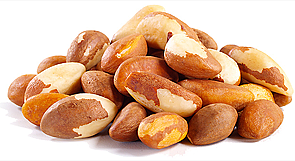 In fact, the thyroid gland contains more selenium than other body parts and during
 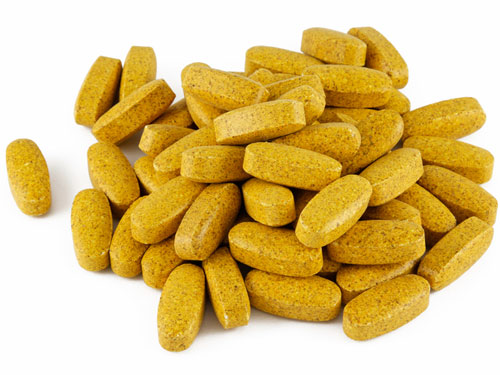 While copper and zinc are both vital to good thyroid health, at first glance, zinc seems the most important. Zinc is responsible for converting T4, the inactive form of the thyroid hormone
  Alcoholics are up to 50% more likely to have a zinc deficiency due to the inability to absorb nutrients and increased urination causing zinc elimination.
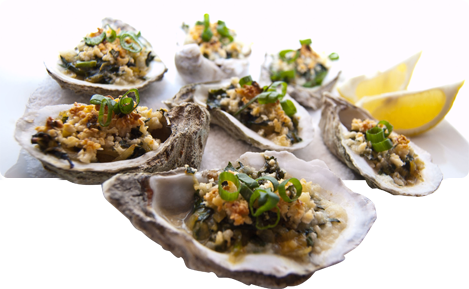 Oysters
 Tomatoes
 Diarrhea
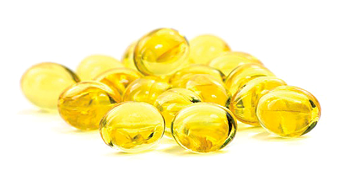 The “sunshine vitamin” mostly serves a protective role in this regard. Several studies have established the immunomodulatory property of vitamin D and how the vitamin protects the thyroid gland from autoimmune destruction.
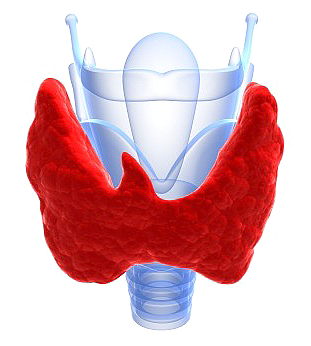 Several studies have established a relationship between low vitamin D levels and autoimmune thyroid disorders. One such study was published in the journal, Cellular & Molecular Immunology in 2011.
 Mild vitamin B12 deficiency can still be treated with dietary sources of the vitamin. Those include lean meat, fish, poultry, eggs, dairy products, and fortified cereals.
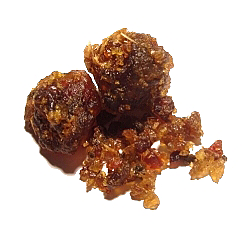 Guggul is most known for the resinous sap obtained from its bark. This sap is called gum guggul and its extract is referred to as guglipid or guggulipid. This is the medicinal guggul extract used in traditional medicine.
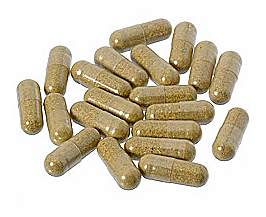 For weight loss, 30 – 60 mg of guggulsterone supplements should be taken three times daily. Doses of 25 mg taken 3 times per day are enough to reduce cholesterol and triglyceride levels.
 Disorientation
 Another cause of magnesium deficiency is a generally poor diet. A diet comprised of a lot of processed food and sodas is a leading cause of magnesium deficiency.
 Unfortunately, magnesium deficiencies are one of the hardest things to test for. The current testing is unpredictable, and even a reading that is in the normal ranges may be inaccurate.
 Magnesium supplements are found in pill form, capsule, and also in oil form.