


Popular Articles
- Thyax Supplement Facts
- Best Thyroid Supplements
- Natural Alternatives to Synthroid
- T3 - Weight Loss
- Thyroid Health - Natural Ways to Boost an Underactive Thyroid
- Armour Thyroid Review: Drug for Underactive Thyroid
- Thyroid Health | How to Boost T3 and T4 Levels
- Thyroid Health | The Best Vitamins for Hypothyroidism
- Ginger and Weight Loss
- Best Weight Loss Supplements for Men and Women
- More Articles ...
 Being Deficient in Iodine Affects Thyroid FunctionIn This Article
The body only needs very little iodine but it must get the amount it needs. Iodine is central to the functioning of the thyroid gland and the production of its hormones. Therefore, too much and too little iodine can cause serious effects in the body. Read on to find out why you need iodine, what it does and how iodine deficiency can affect the thyroid gland and the body processes that depend on it.
What Iodine Does in the BodyIodine is an essential mineral. It is a non-metal that is only needed in small, trace amounts in the body but it must be present in the right amount. The primary role of iodine in the body is to serve as one of the ingredients in the syntheses of thyroid hormones. The two major thyroid hormones are thyroxine or T4 and triiodothyronine or T3. While T3 contains 3 iodine atoms, T4 contains 4 of them. Therefore, 65% of the molecular weight of T4 is due to iodine but 59% of the weight of T3 is iodine. Even though iodine is most known as a precursor of thyroid hormones, most of the iodine in the body is actually outside the thyroid gland and the hormones released from it. 70% of the iodine ingested into the body can be found in the tissues of the mammary glands, salivary glands, thymus glands, walls of blood vessels, eyes, cervix and the mucosal surface of the mouth and gastrointestinal tract. The role of iodine at these other sites are not fully known although the iodine found in the mammary glands is believed to be important to the growth of babies and fetuses. Iodine: Sources and LimitsHumans get iodine chiefly from their diet. It can be obtained from plants grown in soils rich in the element. However, soils lose their iodine stores the longer they are farmed.
Besides plants and seafood, most people obtain iodine from iodized salts. Iodized salts are fortified with iodine and they serve as the major source of this essential, trace element for most people. The recommended daily dietary intake of iodine is 150 micrograms for adults. However, pregnant women require 220 micrograms and lactating women should get 290 micrograms per day. 90 – 130 micrograms per day is the amount of iodine recommended for children while infants need 110 – 130 micrograms. The upper tolerable limit of daily iodine intake is 1,100 micrograms for adults. The average adult actually only needs 70 micrograms per day to produce thyroid hormones. The rest of the daily dietary intake is required for the optimal functioning of the other tissues and organs where iodine is also found in the body. Maintaining the right balance of iodine is important because too high and too low iodine levels can cause serious harm to the body. When there is little iodine in the body, the thyroid reduces the number of thyroid hormones produced. Therefore, iodine deficiency can lead to hypothyroidism. On the other hand, too much iodine may cause hyperthyroidism since the production of thyroid hormones is not slowed down even after optimal levels are attained. Iodine ToxicityIodine toxicity can also result from taking too much of the trace mineral and it can be just as severe as hypothyroidism and hyperthyroidism. Elemental iodine is a poison and it can be lethal when given in large amounts. 2 – 3 grams of iodine are enough to kill an adult. Even when applied externally on the skin, elemental iodine is still toxic. It can cause extensive tissue damage if the exposure is prolonged.
Gaseous iodine is also an irritant. When exposed to iodine vapor, all mucosal surfaces including those of the eyes and the respiratory tract will be irritated. Besides elemental iodine, iodide ion is also toxic. When the level of iodide rises above the normal range, it causes symptoms resembling those of iodine deficiency. For example, goiter (which is formed when the thyroid gland is inflamed) can be caused by excess iodide as well as iodine deficiency. The toxicities of iodine and iodide ion are the reasons why the body keeps only a trace amount of this element. However, even this very small amount can cause sensitivity reactions in some people. Although iodine sensitivity is rare, it can still cause hives, rash and anaphylactic shock in affected individuals. Iodine and Thyroid HormonesIodine is supplied in foods and supplements as the iodide ions and it gets into the blood in this form. The thyroid gland takes up iodide ions from the blood and uses them to manufacture thyroid hormones (T3 and T4) which are then released back into the body. In a simple, well-structured system of control, the syntheses of T3 and T4 are controlled by another hormone (TSH or thyroid-stimulating hormone) released from the pituitary gland which itself is under the control of a fourth hormone (TRH or thyrotropin-releasing hormone) released from the hypothalamus. T3 is the more active of the two thyroid hormones and, in most cases, T4 serves only as a precursor to T3. However, 90% of the hormones released from the thyroid gland is T4. The conversion of T4 to T3 depends on a group of enzymes that needs selenium. Therefore, selenium supplementation may be added to iodine to improve thyroid function. However, these selenium-dependent enzymes are also responsible for the conversion of T4 to reverse T3 and the conversion of T3 to T2 (diiodothyronine). While most experts once believed that both T2 and reverse T3 are inactive, new evidence suggests that reverse T3 is actually an anti-thyroid hormone that blocks T3. The thyroid hormones (but mostly T3) act at the genetic level to regulate the basal metabolic rate. When the production of these hormones slows down considerably, the resting metabolic rate of the body can reduce by as much as 50%. However, when these hormones are released in excess, the rate of metabolism can double. Iodine Deficiency and Thyroid HormonesIodine deficiency is most common in parts of the world farther from large water bodies. Therefore, people living in inland areas and those in arid regions are usually iodine deficient because they do not eat marine foods. According to a WHO (World Health Organization) statement made in 2007, about 2 billion of the world’s population do not get sufficient iodine from their diets. The WHO called iodine deficiency the single, most important but preventable cause of mental retardation. Besides those who live too far away from marine life and so do not get enough iodine in their diet, other groups of people who are prone to iodine deficiency include:
Iodine deficiency can also be caused by chemicals such as perchlorates, thiocyanates and also goitrogens such as calcium. In addition, tobacco and alcohol intake may increase the risk of this deficiency. In addition, women are more likely than men to develop iodine deficiency. A 24-hour urine iodine collection is the most common medical test for diagnosing iodine deficiency. The body eliminates 90% of the iodine ingested daily in the urine, therefore, the level of iodine in urine is a good indication of the amount of iodine found in the body. Iodine deficiency causes a number of medical disorders including goiter and cretinism. Other symptoms of iodine deficiency include depression, fatigue, hair loss, weight gain, impaired memory, and mental abilities, slow heartbeats and increased sensitivity to cold. What is Goiter?
Goiter can form when the production of T4 falls sharply. To renew the production, TSH is secreted in large amounts from the pituitary gland. However, if the low production of T4 is caused by iodine deficiency, the increased secretion of TSH does not translate into an increased synthesis of T4. Instead, TSH needlessly stimulates the growth of new cells in the thyroid gland, and this causes the enlargement of the gland. In mild cases, which are the most common, a mild iodine deficiency may lead to increased production of T3 in the thyroid gland. However, since most of the body’s store of T3 is made from the available T4 which are not being replenished, T4 is rapidly depleted. Goiter is a big public health problem not only in poor countries but in some affluent nations of Europe and in Australia and New Zealand. The treatment is, however, simple. By supplying iodine supplements, goiter cases can be quickly resolved. The easiest way to provide iodine supplementation to any population is by mandating the sale of iodized salt. Although goiter responds well to iodine supplementation, it is best to treat the iodine deficiency immediately. If left untreated, iodine deficiency progressively destroys the tissues of the thyroid gland. After five years, even iodine supplement or thyroxine replacement cannot reduce the size of goiter because the damage is then permanent. It should be noted that goiter can be caused by hyperthyroidism too and this second type of goiter does not involve iodine deficiency.
|
| Next Article: Low T3 and T4 Levels? Boost it: Heres How... |
 Seafood is a major dietary source of iodine. Of seafood,
 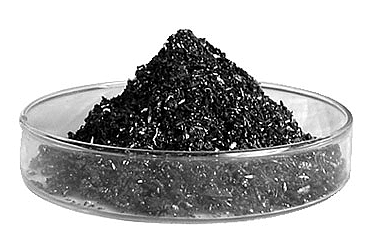 Because iodine is an oxidizing agent, it can damage the skin when it comes in contact. If the contact is short, it may merely irritate and inflame the skin but extended contact can cause skin lesions.
 Goiter is the medical term for the enlargement of the thyroid gland. When this gland swells, it can also cause swelling of the larynx and neck.
 Cretinism and Mental Retardation
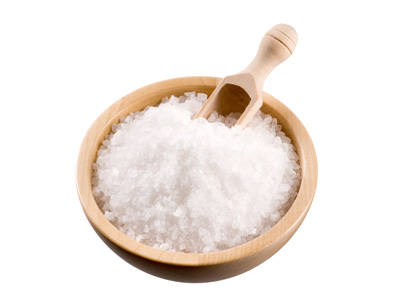 Adding iodine to salt is a very cheap means of eradicating iodine deficiency. Experts estimate that it costs only a few cents for every ton of salt produced.